Introduction
Maintaining clean carpets and upholstered furniture is one of those household tasks that seems straightforward in theory but quickly becomes complicated in practice. Between daily spills, pet accidents, and the general accumulation of dirt and dust, most homes benefit from a reliable cleaning solution that goes beyond what a standard vacuum can achieve. Professional carpet cleaning services offer excellent results but come with scheduling challenges and recurring costs that can add up significantly over time.
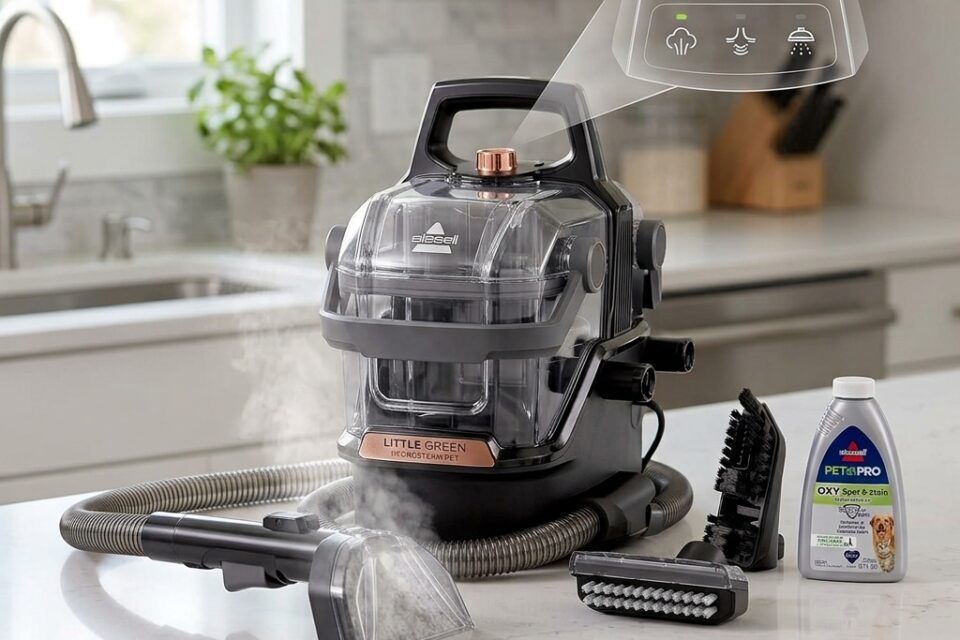
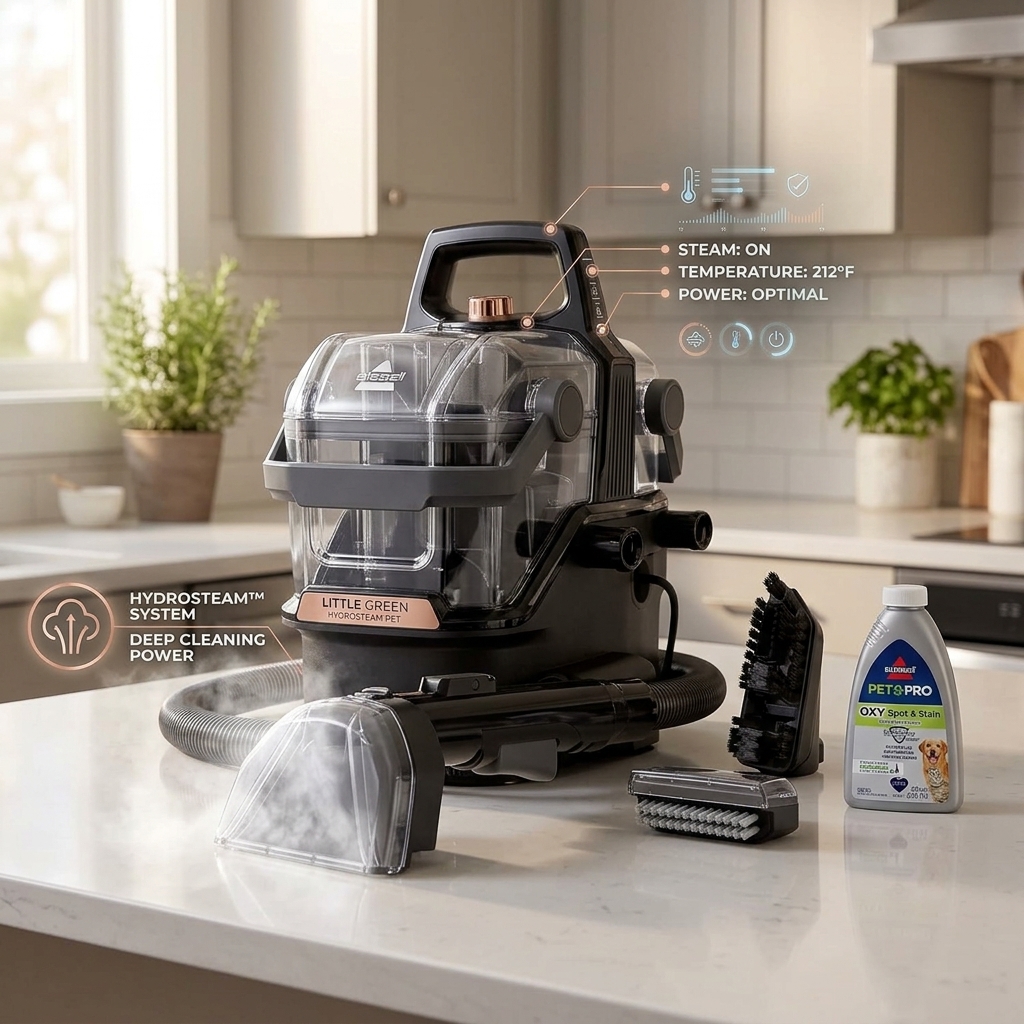
This is where portable carpet cleaning equipment has gained considerable traction among homeowners. These machines bridge the gap between basic maintenance and professional-grade deep cleaning, offering a practical way to address cleaning needs without necessarily calling in the specialists. The ISSELL Little Green HydroSteam Portable Carpet Cleaner represents one approach in this market segment, combining hot water and steam technology in a device designed for home use.
The cleaning industry has evolved considerably in recent years, with manufacturers exploring different technologies to improve effectiveness and ease of use. Hot water extraction, which combines moisture with heat and agitation, remains one of the most widely recognized cleaning methods for carpets and upholstery. The addition of steam technology to this approach creates an interesting hybrid system that warrants a closer look for anyone considering their options.
Understanding how these machines work, what they can realistically accomplish, and whether they align with your household needs requires looking past marketing language and examining the actual technology and practical applications. This article explores the ISSELL Little Green HydroSteam in that context, providing information to help you determine if this type of equipment makes sense for your situation.
The Technology Behind Hot Water and Steam Cleaning
Before diving into specifics about this particular machine, it’s helpful to understand what hot water extraction cleaning and steam technology each bring to the table.
Hot water extraction, sometimes called steam cleaning (though technically not steam in most cases), uses heated water combined with cleaning solution to penetrate carpet fibers. The machine sprays this solution into the carpet, then extracts it using suction. The heat serves multiple purposes: it helps dissolve and loosen soil, assists with microbial reduction, and can improve the overall cleaning action. The suction component is equally important, as it removes the moisture along with the suspended dirt, leaving carpets less saturated.
Steam cleaning, in the strict sense, refers to the use of actual steam—water heated to the point of becoming vapor. Pure steam systems operate differently from hot water extraction. Steam penetrates fibers, can help with sanitizing through heat, and generally requires less liquid overall. However, steam alone isn’t particularly effective at mechanical cleaning or removing heavy soil without some form of agitation.
The ISSELL Little Green HydroSteam combines these concepts. By integrating both hot water and steam technology in one device, the system theoretically leverages benefits of both approaches. The hot water handles the extraction and moisture removal aspects, while the steam component may enhance penetration and certain cleaning characteristics. This hybrid approach requires understanding how the two technologies work together in the actual device to be meaningful.
Key Features and Technical Specifications
The ISSELL Little Green HydroSteam is designed as a portable unit, which immediately suggests certain trade-offs compared to larger, heavier equipment. Portability means compact dimensions, reduced weight, and easier maneuverability—but typically also means smaller water tanks and potentially lower absolute cleaning power.
The machine is marketed for multiple applications: carpet cleaning, upholstery cleaning, and car or automotive interior detailing. This versatility suggests it comes with various attachment heads or nozzles designed for different surfaces and purposes. Most portable carpet cleaners in this category include at minimum a floor cleaning head for carpets and a hand-tool hose attachment for stairs, furniture, and vehicle interiors.
The hot water component typically relies on onboard heating, which means the device includes a heating mechanism to warm water to cleaning temperature. The temperature at which water heats varies by model and manufacturer specifications—higher temperatures generally assist with certain cleaning challenges but aren’t always necessary or appropriate for all fabrics.
The steam function, while less common in portable units, distinguishes this device from basic hot water extraction machines. The integration of steam requires additional engineering, as the system needs to generate, maintain, and deliver steam while also managing the hot water extraction function. The practical benefit of this dual system depends on execution and design, and real-world effectiveness varies.
The term “portable” typically indicates a unit light enough to move between rooms and carry upstairs, though not necessarily handheld. Most portable carpet cleaners weigh between 20 and 50 pounds, depending on water capacity and overall construction. Weight distribution and handle design significantly impact practical portability, which varies among devices in this category.
Practical Applications and Cleaning Scenarios
Understanding what these machines do well requires thinking about specific cleaning situations rather than general claims.
Carpet Maintenance and Spot Cleaning
Carpeted areas experience different types of soiling depending on location and traffic. In high-traffic zones like hallways or entryways, dirt accumulates gradually. Pet-related messes, food spills, and tracked-in moisture create different challenges. A portable carpet cleaner allows targeted treatment of problem areas without cleaning the entire carpet in one session.
The ability to address spills quickly, before they become set stains, represents a practical advantage of having cleaning equipment accessible at home. When a spill occurs, immediate treatment with hot water and the appropriate cleaning action often produces better results than waiting for a professional service to schedule an appointment.
Stairs and confined spaces present challenges for larger cleaning equipment. A portable unit with a hand tool attachment can more easily access the sides and undersides of stairs, tight corners, and areas around furniture. This isn’t necessarily better or worse than professional equipment—it’s simply different and sometimes more practical for regular household maintenance.
Upholstery and Furniture Cleaning
Upholstered furniture collects dust, pet hair, and surface debris that vacuuming helps manage but doesn’t completely address. Over time, fabric becomes dingy not from obvious stains but from accumulated soil. A machine designed for upholstery can reach into the fabric more effectively than surface cleaning methods.
Different upholstery materials respond differently to moisture-based cleaning. Natural fibers like wool require different approaches than synthetic fabrics. Delicate antique upholstery may not be appropriate for machine-based cleaning regardless of the equipment. The hand-tool component of portable cleaners makes it possible to test on inconspicuous areas and work carefully on valuable pieces.
Automotive Interior Cleaning
Car and truck interiors accumulate dirt, spills, and moisture from passenger shoes and weather exposure. The upholstered surfaces inside vehicles—seats, door panels, carpeted floors, trunk areas—can benefit from deep cleaning, especially in high-use vehicles with children or pets.
A portable carpet cleaner sized appropriately for a vehicle eliminates the need for professional car detailing services for this specific task. The ability to work in your own garage or driveway, on your schedule, appeals to many vehicle owners. The compact size necessary for home use also tends to make automotive detailing more practical than larger equipment would be.
Targeted Uses Beyond Standard Cleaning
Beyond primary carpet and upholstery cleaning, these machines find application in various household scenarios.
Water damage situations, such as when a toilet overflows or a water heater leaks, require rapid moisture removal. The extraction capability of these machines helps remove water from affected areas, potentially preventing secondary damage and mold growth. This isn’t a replacement for professional water damage restoration, but the ability to start extraction immediately can make a difference.
Basement waterproofing maintenance and tile floor cleaning represent borderline uses. Some portable carpet cleaners work adequately on tile with hard floors, though they’re not specifically designed for this. Results vary based on specific models and attachments.
Cleaning pet bedding, doormats, and exterior entryway mats falls within practical territory. These items benefit from hot water treatment and extraction, and portable equipment makes this task manageable at home.
Who These Machines Serve Well
Certain household situations align naturally with owning a portable carpet cleaning machine.
Households with pets represent a significant market for these devices. Pet accidents happen, and their odor and staining potential make regular cleaning attention valuable. The ability to immediately address incidents before they set prevents many long-term problems.
Families with young children, where spills and accidents are frequent, often find portable cleaning equipment worthwhile for similar reasons. The quick response capability prevents many situations from becoming permanent stains.
Anyone who values carpet and upholstery and wants to extend their lifespan through regular maintenance finds these machines practical. Professional cleaning every 12-18 months, supplemented by regular home maintenance between services, keeps furniture and carpets in better condition than either approach alone.
Renters who want to maintain rental property carpets and furnishings have found portable cleaners useful for preserving their security deposits. Being able to address problems quickly and comprehensively helps manage the condition of spaces they occupy temporarily.
Individuals with allergies or asthma who benefit from reducing dust and allergens in home textiles often appreciate the ability to clean more frequently than professional services would be economical.
Those with health sensitivities regarding household chemicals may prefer equipment they control themselves, where they can choose specific cleaning solutions or use natural alternatives.
Important Considerations Before Purchase
Moving beyond the marketing to practical realities is essential when considering any cleaning equipment investment.
Water Tank Capacity and Heating Time
Portable units have smaller water tanks than truck-mounted or larger stationary equipment. This means more frequent refilling and longer cleaning sessions to cover large areas. If your primary need is cleaning significant square footage in single sessions, this limitation might prove frustrating.
Water heating capacity determines how quickly the machine reaches operating temperature and how consistently it maintains that temperature. Some portable units require a warm-up period after starting, during which water temperature builds. This varies by model and specific heating system design.
Extraction Capability and Drying
Not all portable carpet cleaners extract equally effectively. The suction power and design of the extraction head determine how much water the machine removes. Poor extraction leaves carpets wetter, extending drying time and increasing the risk of mildew development. Cleaning effectiveness partly depends on proper extraction, so this component deserves careful consideration.
Drying time depends on extraction quality, humidity, ventilation, and carpet pile height. Even with good extraction, cleaned carpets might take 4-12 hours to dry completely, depending on conditions. During this time, heavy traffic should be minimized to prevent resoiling and allow proper drying.
Maintenance and Cleaning of the Machine Itself
These devices require regular maintenance to function reliably. Water tanks need cleaning and drying between uses to prevent bacterial growth and odor development. Solution tanks and delivery lines can accumulate mineral deposits if hard water is used, requiring periodic cleaning. The extraction pathway needs flushing to remove debris and prevent clogs.
Proper maintenance extends the machine’s lifespan and preserves cleaning performance. Neglecting maintenance can lead to reduced effectiveness, odor issues, and potentially shortened equipment life.
Solution Effectiveness and Safety
The cleaning solution matters significantly. These machines work with various solutions—commercial carpet cleaner concentrate, general-purpose cleaners, or homemade vinegar-and-water solutions. Different solutions work better for different soils and situations. Some solutions may void equipment warranties or damage certain carpets if used incorrectly.
Proper safety practices include ensuring adequate ventilation during operation, preventing electrical hazards with wet equipment, and following manufacturer guidelines regarding solution concentrations. Chemical safety, particularly around children and pets, requires attention.
Surface Compatibility
Not all carpet or upholstery can handle hot water extraction safely. Natural wool, delicate antique fabrics, and certain dyes require gentle handling or professional-only cleaning. Testing on hidden areas before full cleaning is essential. Some surfaces can be damaged by aggressive cleaning or high heat.
Different stain types respond differently to extraction-based cleaning. Protein-based stains (blood, food) often respond well. Oil-based stains may be more challenging. Some stains set permanently over time regardless of cleaning method.
Comparative Context: Understanding Your Options
When considering any specific cleaning equipment, it’s useful to understand the broader landscape without making this about one machine against others.
Professional carpet cleaning services use large truck-mounted equipment or powerful portable systems operated by trained technicians. These offer maximum cleaning power and expertise but come with scheduling coordination and service costs. Professional-grade equipment exceeds what any residential machine can deliver in absolute terms.
However, professional cleaning addresses specific occasions—typically 1-2 times yearly. Between professional services, homes still need maintenance and spill management. This is where residential equipment fits in the overall strategy.
Rental carpet cleaners, available at hardware stores and home improvement centers, offer a middle ground. These machines exceed most home equipment in power while costing less than professional service for a single use. However, they’re only available for rental periods, typically 24 hours, requiring more compressed work schedules.
Stick vacuums with cleaning attachments represent basic equipment readily available. These handle light cleaning and maintenance better than vacuuming alone but don’t provide the deep cleaning of hot water extraction machines.
Simple surface cleaning—using spray bottles and manual agitation—works for light maintenance but lacks the extraction capability and heat that assist with deeper soils.
The choice between these options depends on your specific needs, budget, space for equipment storage, and cleaning frequency requirements. Equipment ownership makes sense for those who clean frequently. Occasional deep cleaning might be better served through rental or professional services. The reality is that most households benefit from combining approaches rather than relying exclusively on one method.
Frequently Asked Questions
How often should carpets be cleaned with a machine like this?
Household cleaning with portable equipment can occur as needed for spills and maintenance. Some people clean quarterly or semi-annually as part of seasonal cleaning routines. Professional cleaning is often recommended 1-2 times yearly depending on household traffic and conditions. The frequency should match your situation rather than following a rigid schedule.
Will using hot water damage my carpet?
Properly maintained carpets designed for hot water extraction typically handle the process well. Some natural fiber carpets and certain dyes may be sensitive to heat. Testing on hidden areas and following manufacturer guidelines for both the carpet and the cleaning equipment is important. When used appropriately, hot water extraction is an industry-standard cleaning method.
How long until cleaned carpets are dry?
Drying time varies based on extraction quality, humidity, ventilation, and carpet type. Generally, plan on 4-12 hours under normal conditions. Running air conditioning, opening windows, and using fans accelerates drying. Walking on carpets before they’re fully dry can resoil them and should be minimized.
Can I use any cleaning solution in these machines?
Most machines work with commercial carpet cleaning solutions designed for hot water extraction. Some work with general-purpose cleaners or natural alternatives. Using solutions not recommended by the manufacturer might affect warranty coverage or damage the machine. Following manufacturer recommendations ensures both safety and equipment preservation.
Is the steam function significantly better than hot water alone?
The theoretical benefits of steam include deeper fiber penetration and potential sanitizing through heat. The practical advantage depends on specific implementation in the machine. Steam may be most beneficial for certain cleaning challenges or when combined with hot water extraction as this device attempts. However, hot water extraction alone has proven effective for decades, so the added steam component is enhancement rather than necessity.
What if my carpet is already stained before I use the machine?
Set-in stains—those that have been present for extended periods—often don’t respond to extraction cleaning alone. The cleaning action is designed to address fresh spills and general soiling. Pre-treating stains with appropriate solutions and allowing dwell time before extraction sometimes improves results. However, permanent stains may require professional treatment or acceptance of their permanence.
Can I clean my car interior with this equipment?
Yes, the portable size and hand-tool attachments make these machines practical for vehicle cleaning. Test on small areas first, be careful with electronics, and ensure proper extraction to prevent excessive moisture in vehicle interiors.
How much floor space do I need for storage?
Portable carpet cleaners typically occupy a footprint similar to a small appliance—roughly comparable to a large microwave or small furniture piece. A garage corner, basement shelf, or utility closet usually accommodates storage. Specific dimensions depend on the exact model.
What maintenance is absolutely necessary?
At minimum, clean and dry the water tanks after each use, flush the extraction pathway with clean water, and periodically clean the solution pickup pathway. These basic steps prevent bacterial growth, odor, and equipment damage. Check manufacturer guidelines for any additional maintenance specific to the model.
Will this replace my need for professional cleaning?
Professional cleaning provides deeper cleaning power and expertise that residential equipment cannot fully replicate. Using a portable machine for maintenance doesn’t eliminate the benefit of professional service, though it may extend time between professional cleanings. Consider them complementary rather than substitutes.
Conclusion
The ISSELL Little Green HydroSteam Portable Carpet Cleaner represents an approach to home carpet and upholstery cleaning that combines multiple technologies in a portable package. The integration of hot water extraction with steam functionality creates a device intended for households seeking a practical cleaning solution for various surfaces.
Whether this particular machine is appropriate depends on your specific situation. Those who clean frequently, manage active households with pets or children, or value maintaining their carpets and furniture through regular maintenance often find portable cleaning equipment worthwhile. The ability to address spills immediately and maintain surfaces between professional services appeals to many homeowners.
However, these machines require realistic understanding of their limitations. They don’t replace professional equipment in absolute cleaning power, require ongoing maintenance, and work best as part of a broader cleaning strategy rather than a complete solution to all carpet cleaning needs.
The decision to invest in any cleaning equipment should consider your household’s specific circumstances, your willingness to maintain the equipment properly, your available storage space, and your cleaning needs and frequency. If those factors align with what this type of device offers, it can be a practical addition to your home maintenance toolkit.