Introduction
Keeping carpets and upholstered furniture clean can feel like an ongoing challenge, especially in homes with pets, children, or high foot traffic. Accidental spills, tracked-in dirt, and pet accidents happen more frequently than we’d like, and addressing these issues promptly often makes the difference between a minor cleanup and a permanent stain. While regular vacuuming helps maintain surface cleanliness, some messes require a more targeted approach.
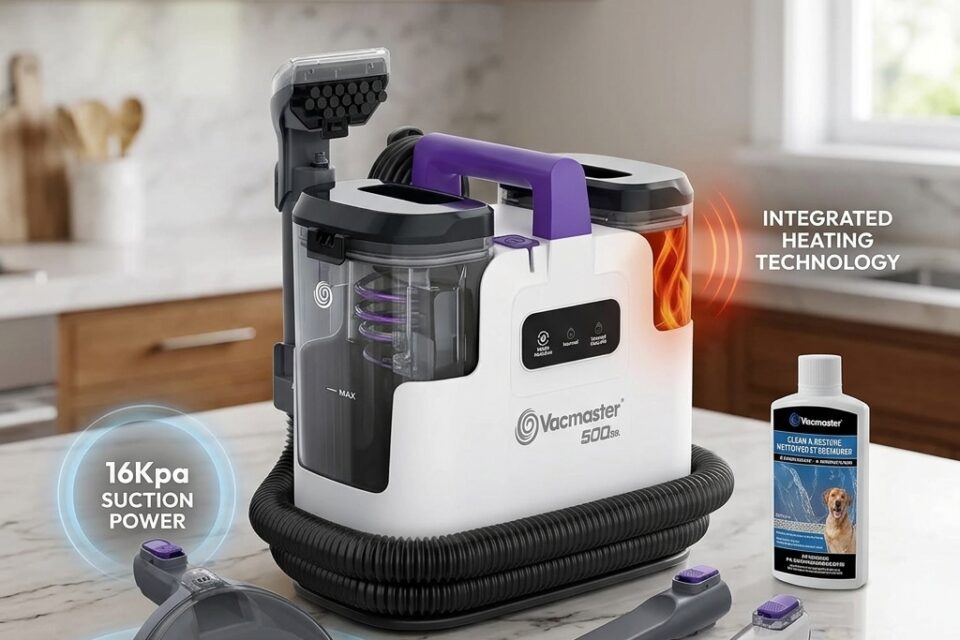
The Vacmaster 500 Series Heated Carpet & Upholstery Spot Cleaner Machine (model SCB1001H 0101) represents a category of cleaning equipment designed to handle these localized problems without requiring professional carpet cleaning services. Understanding what this type of machine does and how it functions can help homeowners make informed decisions about their cleaning needs.
This article explores the Vacmaster 500 Series in detail, examining its capabilities, practical applications, and important considerations for potential users who are evaluating whether this type of equipment might fit their household situation.
What Is a Spot Cleaning Machine?
Before diving into the specifics of this model, it helps to understand the role these machines play in household cleaning. Spot cleaners differ from traditional vacuum cleaners in both function and purpose. While vacuums primarily remove dry debris, spot cleaners use a combination of water, cleaning solution, heat, and suction to extract moisture and soil from carpet fibers and upholstery fabrics.
The basic process involves applying a cleaning solution to affected areas, agitating the fibers or upholstery, and then extracting the dirty water. This approach can address not just visible stains, but also the moisture and residue that remain after a spill or accident.
Key Features of the Vacmaster 500 Series
The Vacmaster 500 Series includes several specifications and features that define its performance capabilities:
Suction Power
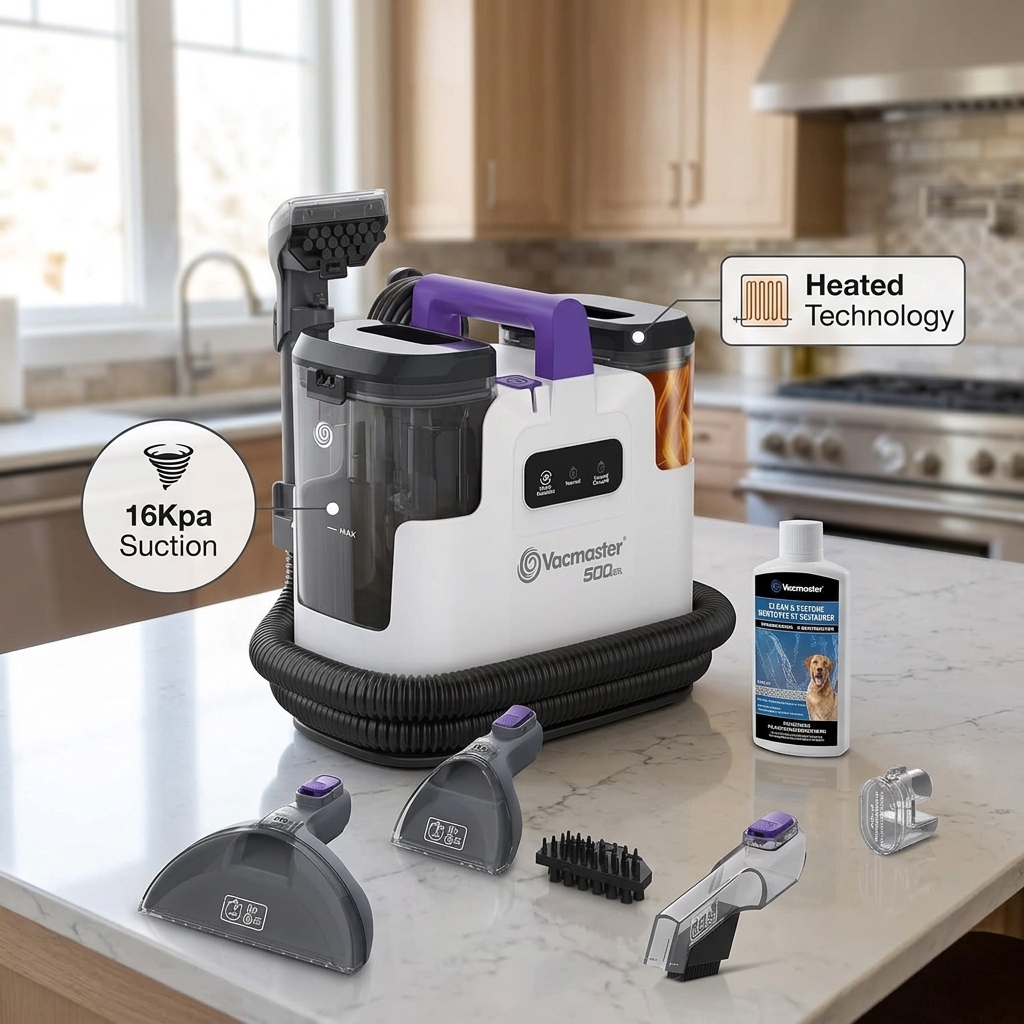
The machine delivers 16 kPa (kilopascals) of suction power. This measurement indicates the strength with which the unit pulls water and cleaning solution from surfaces. In practical terms, adequate suction power helps remove moisture more effectively, which can lead to faster drying times and potentially better results on heavily soiled areas.
Heating Function
One notable aspect of this model is its heated water capability. Warm water often enhances the cleaning process because heat can help dissolve certain types of soil and may make cleaning solutions more effective. The heating element distinguishes this model from non-heated spot cleaners.
Versatile Tool Selection
The machine comes with multiple attachments designed for different surfaces and situations. This variety allows users to clean not just wall-to-wall carpeting, but also area rugs, upholstered furniture, and potentially car interiors. Different tools serve different purposes—some are designed for broader surface coverage, while others target tight spaces or delicate fabrics.
Operational Design
The Vacmaster 500 Series uses an upright or portable design that allows for maneuverability around furniture and into various spaces throughout a home. The weight and handling characteristics affect ease of use during extended cleaning sessions.
How This Type of Machine Works
Understanding the operational mechanics helps clarify what the machine can and cannot accomplish. The basic process involves several steps:
When you identify a stain or soiled area, you typically fill the machine’s water tank with hot water and add the appropriate cleaning solution according to the manufacturer’s instructions. You then position the machine’s cleaning head over the affected area and trigger the solution release mechanism, which dispenses the water and cleaning solution onto the carpet or upholstery.
The machine’s brush mechanism works to agitate the fibers, helping loosen embedded soil and allowing the cleaning solution to penetrate deeper. After allowing the solution to work briefly, you engage the suction mechanism, which pulls the dirty water and dissolved soil back into the machine’s collection tank.
This extract-and-suction cycle often requires repeating over the same area, particularly for heavily soiled spots or older stains. Some users find that multiple passes yield better results than a single application.
Practical Uses and Applications
The versatility of the Vacmaster 500 Series extends to various household scenarios:
Pet-Related Cleaning
One primary application involves addressing accidents and messes created by pets. Whether dealing with unexpected indoor accidents or muddy paw prints that have dried onto upholstery, the combination of hot water, cleaning solution, and suction can help remove both visible debris and odor-causing residues. Households with dogs or cats often find this type of equipment helpful for maintaining cleanliness between professional cleaning appointments.
Spill Response
Beverage spills, food accidents, and other liquid mishaps benefit from prompt treatment with a spot cleaner. Wine, coffee, juice, and similar substances can set into carpet fibers or upholstery over time, making immediate attention worthwhile. Having a dedicated machine available can encourage quick response when accidents occur.
Area Rug Maintenance
Area rugs placed over carpet or hardwood can accumulate soil in high-traffic zones and benefit from targeted spot cleaning. Unlike wall-to-wall carpeting, removable area rugs present different cleaning challenges, and the Vacmaster 500 Series can address localized worn areas or stains while the rug remains in place.
Upholstered Furniture Care
Sofas, armchairs, and other upholstered pieces accumulate dust, body oils, and occasional stains. While upholstery requires more careful handling than carpet to avoid damage, the appropriate attachments can clean localized problem areas on these furnishings.
Vehicle Interiors
Some users apply spot cleaners to car and truck interiors, cleaning upholstered seats and carpeted floor areas. This application requires attention to the vehicle’s specific materials and ventilation limitations.
Who Might Find This Type of Equipment Useful
Not every household has the same cleaning needs, and spot cleaners don’t solve every cleaning challenge. However, certain situations make this type of equipment particularly relevant:
Households with Pets: Families sharing their homes with animals often deal with more frequent accidents, muddy paw prints, and the general wear that comes with pet ownership. Having ready access to equipment designed for quick cleanup can be practical.
Homes with Young Children: Spills happen regularly in households with small children, and the ability to address stains promptly can help prevent permanent damage to carpeting and furniture.
High-Traffic Areas: Homes where particular areas of carpeting receive heavier use might benefit from occasional deeper cleaning of those zones.
Allergy or Asthma Concerns: Some people believe that extracting moisture and residues from carpets and upholstery helps reduce triggers. While spot cleaning won’t replace air filters or remove all allergens, it may contribute to overall cleanliness.
Budget-Conscious Households: Regular professional carpet cleaning services can be expensive. Having a machine available for spot-cleaning tasks might reduce the frequency of professional service needed, making it a financially practical option for some.
Frequent Spills: Households where accidental spills occur regularly—due to dining areas on carpeting, for example—might find immediate response equipment worthwhile.
Important Things to Consider
Before deciding whether this type of equipment is right for your situation, several factors deserve attention:
Learning Curve
Using a spot cleaner effectively takes practice. Applying too much solution, oversaturating carpet, or using improper technique can lead to extended drying times or incomplete cleaning. Thoroughly reviewing instructions and understanding your specific carpet or upholstery type helps prevent issues.
Fabric and Material Compatibility
Not all carpets and upholstery fabrics respond well to the spot-cleaning process. Delicate materials, natural fibers, and certain carpet types might require professional handling rather than machine cleaning. Checking your carpet warranty and testing procedures on inconspicuous areas first is important.
Water Quality and Residue
The quality of water you use can affect results. Hard water with high mineral content might leave residue. Additionally, excess cleaning solution remaining in fibers can attract soil and might require rinsing with plain water in some cases.
Drying Time
Spot cleaning introduces moisture into carpets and upholstery. While extraction helps remove water, these items typically need time to dry completely. Adequate ventilation through windows or air circulation helps speed this process, but incomplete drying can lead to mildew or odor issues.
Maintenance Requirements
Like any equipment, spot cleaners require regular maintenance. Tanks need emptying and cleaning, hoses require occasional clearing of blockages, and brushes might need attention. Understanding these maintenance needs helps ensure longevity and consistent performance.
Limitations with Set-In Stains
Stains that have had time to set might not respond as well to spot cleaning, particularly if they involve dyes or substances that have chemically bonded to fibers. Professional-grade cleaning or replacement might be necessary for some stubborn issues.
Environmental Considerations
The cleaning solutions used in these machines should be appropriate for your household situation, particularly if you have pets or children. Understanding what products work with the equipment and their environmental impact is worthwhile.
Comparing Spot Cleaners: The Broader Category
The market for spot cleaning equipment includes various options with different capabilities and designs. Understanding how machines in this category compare can help contextualize the Vacmaster 500 Series:
Handheld vs. Upright Models: Some spot cleaners feature compact, handheld designs optimized for portability and tight spaces. Others use upright construction for easier handling during extended use. Each approach involves tradeoffs in coverage, control, and maneuverability.
Heated vs. Non-Heated: Heated water systems offer potential advantages in cleaning effectiveness, but they also add complexity, energy consumption, and cost. Non-heated systems are simpler but might be less effective on certain soils.
Suction Power Variations: Different models offer varying suction measurements. More powerful suction generally extracts more moisture, but excessive power might potentially damage delicate fabrics.
Tool Attachment Systems: The variety and compatibility of attachments affects how versatile the machine is across different surfaces. Models with comprehensive tool sets can handle more situations than basic single-tool designs.
Tank Capacity: Larger water tanks mean fewer refills during extended cleaning sessions, but they also increase weight and bulk. Smaller tanks require more frequent refilling but offer easier maneuverability.
Noise Levels: Some machines operate more quietly than others, which matters for households where noise is a concern.
Warranty and Support: Different manufacturers provide varying warranty coverage and customer support options, which can factor into the overall value proposition.
Frequently Asked Questions
How often should someone use a spot cleaner on carpeting?
Usage frequency depends entirely on individual circumstances. Some households might use their spot cleaner weekly, while others might deploy it monthly or less often. The goal is addressing problems when they occur, not following a fixed schedule.
Can this type of machine completely eliminate stains and odors?
Spot cleaners can be effective for many common issues, but results vary based on stain type, how long it’s set, and the specific carpet or upholstery material. Some stains might require multiple treatments, and some might never completely disappear. Additionally, while spot cleaning can address surface odors, deep odors requiring padding replacement or professional intervention are beyond this equipment’s scope.
Is it difficult to operate a spot cleaner?
The basic operation is straightforward enough for most users to master with practice. However, achieving optimal results—knowing how much solution to use, how many passes to make, proper technique for different surfaces—develops through experience and careful attention to instructions.
How much water does the machine waste?
The water extracted from carpet or upholstery returns to the collection tank, so it’s not wasted. However, the process does require using more water than would otherwise be necessary, so it’s not the most water-efficient cleaning method.
Will using a spot cleaner damage carpet or upholstery?
When used correctly on appropriate materials, spot cleaners generally won’t cause damage. However, using too much water, applying excessive heat, or using the machine on delicate fabrics that don’t tolerate moisture can cause problems. Testing on inconspicuous areas first is always recommended.
How long does it take for cleaned areas to dry?
Drying time varies based on humidity, air circulation, carpet thickness, and how much moisture was extracted. Typical drying might range from a few hours to overnight, though optimal conditions can speed this up considerably.
Does the heated water function provide significant advantages?
Heated water often improves cleaning effectiveness, particularly for certain types of soil and oily residues. Whether this benefit is worth the added complexity and energy use depends on your specific situations and priorities.
Are there specific cleaning solutions required, or can any cleaner work?
The manufacturer typically provides guidance on compatible cleaning solutions. Using unapproved solutions might reduce effectiveness, damage the machine, or leave problematic residues. Following these guidelines is important.
What’s the difference between this and renting a professional-grade spot cleaner?
Rental equipment might offer more power or advanced features, but it comes with rental costs and logistics. Owning equipment provides convenience and availability but requires storage space, maintenance, and upfront investment.
Conclusion
The Vacmaster 500 Series Heated Carpet & Upholstery Spot Cleaner Machine represents a particular approach to managing household cleaning challenges. The combination of heating capability, suction power, and versatile attachments makes it suitable for addressing spills, pet-related accidents, and localized soiling on various household surfaces.
Whether this specific equipment matches your household needs depends on your particular situation—the frequency of spills and accidents you experience, your budget for cleaning equipment, your carpet and upholstery materials, and your preferences regarding professional versus DIY cleaning approaches. It’s neither a replacement for regular vacuuming and basic maintenance nor a substitute for professional deep cleaning when major restoration is needed. Rather, it fills a middle ground for households seeking a practical tool for prompt spot treatment.