Introduction
The state of your home’s carpets and upholstered furniture often reflects the wear and tear of daily life. Pet hair, spills, dirt tracked in from outside, and the gradual buildup of dust can gradually diminish the appearance of even once-beautiful interiors. While vacuuming helps manage surface debris, many homeowners find themselves wishing for a deeper clean without the expense and scheduling hassles of professional carpet cleaning services.
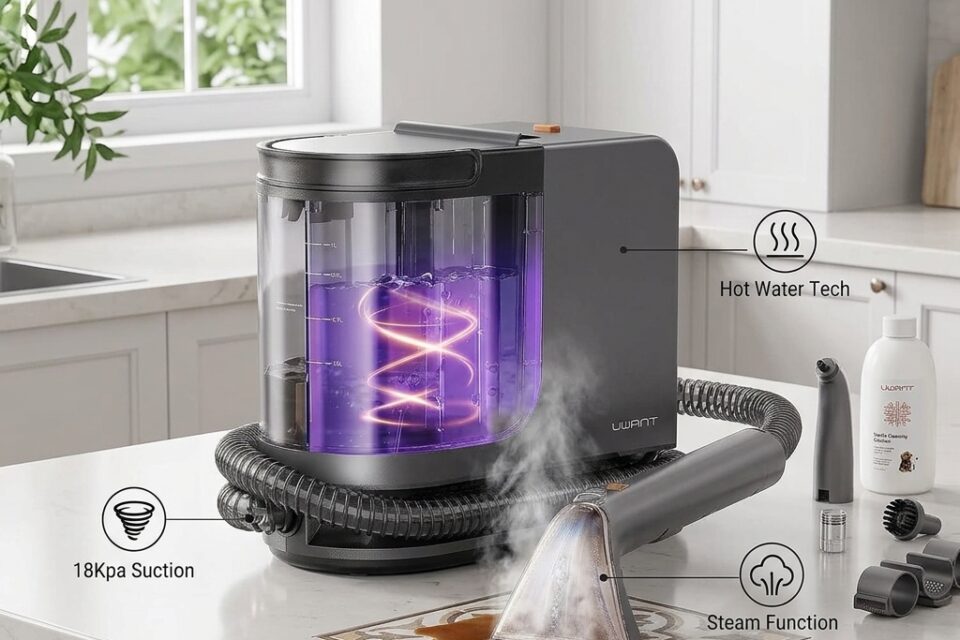
Portable carpet and upholstery cleaning machines have become increasingly popular for households looking to take cleaning into their own hands. These devices work by combining hot water, cleaning solution, and mechanical agitation to lift dirt and stains from fibers. The Uwant Portable Carpet Cleaner represents one approach in this category, offering a combination of features designed to address various cleaning scenarios around the home.
This article explores what this type of cleaning equipment can do, how it functions, practical applications, and considerations that matter when evaluating whether such a machine fits your household needs.
What This Cleaner Actually Does
Before diving into specifics, it’s worth understanding the fundamental process these machines employ. Unlike traditional vacuums that primarily remove surface dirt, hot water extraction cleaners work by:
- Heating water to elevated temperatures
- Mixing the water with cleaning solution
- Spraying this mixture into carpet fibers or upholstery
- Using suction to extract the liquid, dissolved dirt, and debris back into a tank
This process, sometimes called “hot water extraction” or “steam cleaning,” differs from dry cleaning methods. The Uwant model operates within this framework, offering portability as a central feature—meaning you’re not confined to larger, stationary equipment in a single location.
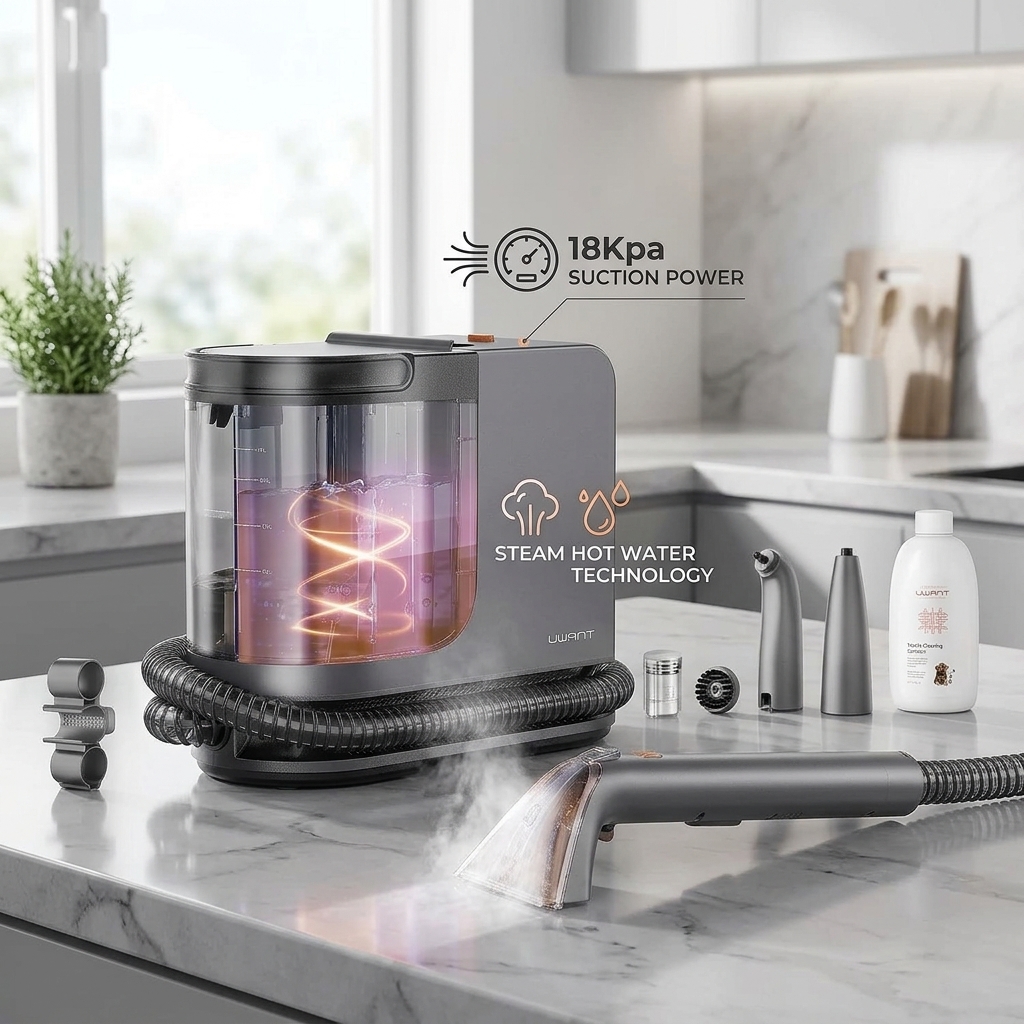
The 18 KPA (kilopascals) specification refers to the suction power. For context, this indicates moderate suction strength. Understanding this metric matters because suction power affects how effectively the machine removes moisture from materials, which influences drying time and final cleanliness results.
Key Features Worth Understanding
Compact and Portable Design
The portable nature of this machine distinguishes it from larger, wheeled carpet cleaning units. Portability appeals to people living in apartments, smaller homes, or those who prefer storing equipment without dedicated space. The compact size also makes it feasible to clean areas that larger machines might struggle with—car interiors, small bathrooms, or the underside of stairs.
Hot Water and Steam Function
The hot water capability serves multiple purposes. Warm or hot water helps dissolve soils more effectively than cold water, similar to how you’d wash dishes with warm water rather than cold. The heat also helps activate cleaning solutions more efficiently. Some users specifically seek machines with temperature control, which this model appears to offer.
Multi-Surface Capability
The inclusion of various cleaning tools—mentioned in the product specifications—suggests this isn’t exclusively a carpet machine. Many owners use these devices on couches, car seats, mattresses, pet beds, and other upholstered items. Some also use them on tile grout, rugs, and automotive interiors. The specific attachments included determine which surfaces work best.
Inclusions and Tools
The package includes cleaning solution and various attachments. Having these items included means you can begin using the machine immediately rather than purchasing additional tools separately. Different tool types typically include upholstery brushes, hose attachments, and spot-cleaning accessories.
Practical Uses and Applications
Understanding where and how this machine can be deployed helps determine its value for your circumstances.
Household Carpets and Rugs
The most straightforward use involves carpet cleaning throughout a home. Rather than spot-treating stains only, some people use these machines to periodically deep-clean entire carpeted rooms. For households with pets or children, periodic deep cleaning might occur monthly or quarterly.
Pet-Related Cleaning
Pet accidents create both immediate messes and lingering odors that vacuuming alone doesn’t fully address. Many pet owners find that hot water extraction helps neutralize these issues more effectively than surface cleaning. The machine can address both fresh accidents and older spots where smell persists. Similarly, pet fur embedded in carpet fibers often loosens more readily after hot water treatment, becoming easier for subsequent vacuuming to remove.
Upholstered Furniture
Couches, armchairs, and other upholstered pieces accumulate dust, pet hair, and occasional spills. Rather than paying for professional furniture cleaning or replacing cushion covers frequently, a portable cleaner allows owners to refresh these items at home. Mattresses similarly benefit from periodic cleaning, particularly for people with allergies or dust mite concerns.
Automotive Interiors
Car seats and carpet inside vehicles present cleaning challenges, as most household cleaning equipment doesn’t easily fit inside vehicles. The compact, portable design of these machines makes automotive interior cleaning feasible. This proves particularly useful if your vehicle is frequently used by pets, children, or experiences regular spills.
Small Spaces and Stairs
Larger wheeled cleaning machines struggle with staircases and smaller rooms. Portable cleaners handle these areas more conveniently, making whole-home cleaning more thorough and practical.
Spot Treatment and Quick Cleanups
Between deep-cleaning sessions, these machines help address immediate spills or accidents quickly, potentially preventing permanent staining.
Who This Equipment Might Be Suitable For
Different households have different needs. This type of cleaner appeals particularly to:
Pet Owners
If your home includes dogs, cats, or other pets, regular accidents and ongoing hair and odor issues make a cleaning machine a practical investment. Pet owners often find these machines pay for themselves in avoided professional cleaning bills within a year or two.
Families with Young Children
Spills, accidents, and increased dirt tracked into homes come naturally with young children. Having readily available cleaning equipment enables quick response to messes.
Allergy Sufferers
Regular deep cleaning can help reduce dust mites and allergen levels in carpets and upholstery. Some people with significant allergies prioritize this benefit.
Renters
When departing a rental property, returning it to clean condition is essential. A portable cleaner allows thorough cleaning before moving out and helps maintain the space while renting.
Those Living in Smaller Spaces
Apartment dwellers or people with limited storage benefit from the compact footprint, avoiding the space requirements of larger equipment.
Budget-Conscious Homeowners
Professional carpet cleaning for an average three-bedroom home typically costs several hundred dollars per visit. Over time, owning your own equipment becomes economical if you clean more than once annually.
Active Households
Anyone tracking significant dirt regularly benefits from convenient cleaning access without scheduling professional services around their schedule.
Important Considerations Before Purchase
While these machines offer genuine utility, certain practical considerations deserve attention.
Moisture Management
Even with suction capabilities, the equipment doesn’t remove all moisture from materials. Cleaning carpet or upholstery creates wet conditions that require proper drying. Without adequate ventilation and drying time, excess moisture can lead to mold growth or musty odors. Most professionals recommend cleaning in the morning when you can open windows and run fans throughout the day.
Learning Curve
Using these machines requires understanding proper technique. Too much solution creates overly wet conditions. Insufficient suction during extraction leaves excess water behind. Applying excessive pressure to delicate upholstery can damage fibers. Most manufacturers provide instructions, but initial attempts may not yield professional results.
Solution Costs
While the machine is included in your purchase, you’ll need to buy cleaning solution for ongoing use. These costs accumulate over time and should factor into your value calculation.
Power and Water Considerations
The machine requires both electrical outlet access and water. The water tank needs refilling between uses, and waste water must be emptied. Locations without convenient power access present challenges.
Tank Capacity Limitations
Portable machines have smaller tanks than their stationary counterparts, meaning frequent refilling and emptying during large cleaning jobs.
Surface Suitability
Not all materials tolerate hot water and moisture. Some delicate fabrics, antique rugs, or certain leather upholstery require professional attention or dry-cleaning approaches rather than hot water extraction.
Time and Effort
Operating the machine, moving between areas, and managing refilling and emptying requires physical effort and time. Cleaning an entire home takes considerably longer than hiring professionals.
How This Compares to Alternative Approaches
Different cleaning strategies serve different purposes, and understanding how hot water extraction fits among alternatives helps clarify its role.
Professional Carpet Cleaning Services
Professional equipment achieves higher suction power and heating capabilities, often yielding superior results. However, services cost significantly more and require scheduling. Ownership provides flexibility and the ability to clean on your timeline. Most households balance both approaches—using a home machine regularly and occasional professional service for deep carpet restoration.
Rental Equipment
Home improvement stores rent commercial-grade carpet cleaners at moderate costs. This serves well if you clean infrequently (once or twice yearly), avoiding ownership costs while still having access to powerful equipment. The drawback involves rental trips and return logistics.
Dry Cleaning Products and Methods
Dry cleaning powders and foam cleaners work on some surfaces and don’t create moisture. They require less effort and drying time but typically achieve less thorough cleaning results, particularly for deep soil or pet accidents.
Simple Spot Treatments
Enzymatic cleaners, club soda, and other household solutions address specific stains but don’t provide the mechanical agitation and extraction that hot water machines offer.
Replacement
For furniture or carpet beyond repair, replacement becomes more economical than continued cleaning efforts. However, cleaning typically extends the lifespan of these investments significantly.
Frequently Asked Questions
How often should I use a carpet cleaner?
Frequency depends on traffic, pets, and household composition. Light-traffic households might deep-clean annually, while busy households with pets might benefit from cleaning every one to three months. The machine enables frequent enough cleaning to maintain results without professional service costs.
Can I use tap water, or do I need special water?
Most machines work with standard tap water, though some users prefer distilled water to avoid mineral buildup in the heating elements. Hard water areas might see mineral accumulation over time.
How long does carpet typically take to dry?
Drying varies by humidity, ventilation, and how much water the machine extracts. Properly used equipment might dry carpet in six to eight hours with good air circulation, though overnight drying is common practice.
Will this work on hardwood floors or tile?
These machines primarily function on porous materials. While you might use them carefully on tile grout, hardwood floors and similar surfaces require different approaches, as standing water can cause damage.
What’s the learning curve for first-time use?
Most users become competent within a couple of cleaning sessions. Initial results might be messier or less thorough than later attempts as you develop feel for proper technique.
Can I clean delicate antique rugs with this?
Antique or delicate rugs often require professional conservation-grade cleaning. The machine works well for standard household rugs but shouldn’t be tested on valuable pieces.
Is the included solution sufficient, or do I need to buy more?
The included amount is typically a starter amount. Ongoing use requires purchasing replacement solution, which factors into the true cost of ownership.
Conclusion
Portable carpet and upholstery cleaning machines address a genuine household need—the desire for cleaner floors and furniture without constant professional service costs. The Uwant model represents a practical middle ground between complete ownership of large equipment and reliance on professional services.
These machines work best for homeowners willing to learn proper technique, maintain consistent cleaning schedules, and appreciate the flexibility of cleaning on their own timeline. They provide particular value for pet owners, families with young children, and those whose living situations benefit from compact, easy-to-store equipment.
The decision to invest in such equipment depends on your household’s specific situation, cleaning frequency preferences, and budget considerations. For those who find themselves cleaning frequently or managing persistent pet or household challenges, a portable machine offers a practical and economical solution.